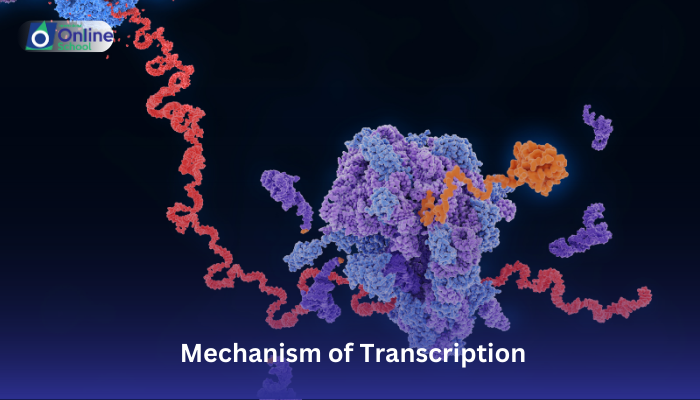
Learning Outcomes:
i. Explain the steps involved in the process of transcription.
ii. Describe the roles of key enzymes and molecules in transcription.
iii. Appreciate the importance of accurate transcription for proper gene expression.
iv. Recognize the connection between transcription and the regulation of cellular processes.
Introduction:
Imagine a library filled with ancient scrolls, each holding a secret recipe for life. These scrolls are our genes, locked away within the DNA double helix. But how are these recipes accessed and used by the cell? This is where the fascinating process of transcription takes center stage. It's like copying a recipe from the library to the kitchen, allowing the cell to read the instructions encoded in DNA and start cooking up the proteins it needs to function.
i. Initiation: Setting the Stage:
Transcription begins with finding the right recipe in the library. Special proteins called RNA polymerases scan the DNA, searching for specific sequences called promoters. These promoters act like bookmarks, signaling the start of a gene and telling the polymerase where to begin copying.
ii. Unwinding the Helix: Making the Recipe Accessible:
Once the promoter is identified, the polymerase acts like a tiny pair of scissors. It snips the hydrogen bonds holding the DNA strands together, creating a "bubble" where the gene is exposed. This unwinding process makes the recipe accessible for copying.
iii. Elongation: Building the Transcript:
Now the real magic happens! The polymerase starts reading the DNA, one nucleotide at a time. Using specific complementary nucleotides (A with T, G with C), it builds a new molecule called messenger RNA (mRNA). Think of mRNA as a copied recipe, ready to be taken to the kitchen for protein synthesis.
iv. Proofreading: Ensuring Accuracy:
Transcription is not a hasty process. As the RNA is built, special enzymes called proofreaders constantly scan the newly synthesized chain, checking for any errors. This meticulous process ensures that the copied recipe is accurate and ready to produce the correct protein.
v. Termination: Closing the Book:
When the polymerase reaches the end of the gene, it encounters a specific sequence called a terminator. This signal tells the polymerase to stop copying and release the newly formed mRNA. The DNA double helix rewinds, tucking the recipe back into the library.
Transcription is a crucial first step in gene expression. It allows the cell to access the information encoded in DNA and translate it into the proteins that perform various functions. Understanding this process is essential for appreciating how cells operate, how traits are inherited, and how genetic errors can lead to diseases. From unraveling the mysteries of human development to developing new treatments for genetic disorders, the study of transcription holds the key to unlocking the secrets of life itself.
